
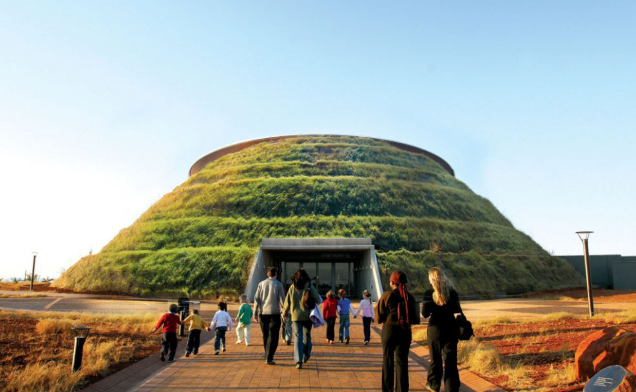
Johannesburg, often referred to as Jo’burg or Jozi, is South Africa’s largest city and an economic powerhouse on the African continent. Founded in the late 19th century during the gold rush, Johannesburg has evolved into a bustling metropolis that serves as a vital hub for commerce, finance, and culture. With its rich history rooted in the struggle against apartheid, the city is home to numerous museums, art galleries, and cultural institutions that highlight its diverse heritage. Notable attractions include the Apartheid Museum, Gold Reef City, and Constitution Hill, which reveal the city’s complex past while offering an opportunity for reflection and education. As a vibrant center of activity, Johannesburg’s neighborhoods like Melville, Maboneng, and Soweto showcase the unique blend of urban life, creativity, and community spirit that define the city.
Traveling to Johannesburg is made convenient for international visitors, noted for its extensive flight connections. Cathay Pacific provides flight services from Osaka To Johannesburg making it easier for travelers from Asia to connect with this energetic city. The O.R. Tambo International Airport serves as a primary gateway to Johannesburg and is well-equipped to handle both domestic and international travelers. Once in the city, visitors can explore the extensive public transport system, which includes the Gautrain, buses, and minibus taxis, ensuring that exploring Johannesburg’s many sights is hassle-free. Additionally, the city has a burgeoning food scene, offering cuisines from various cultures, reflecting its melting pot of communities. With its dynamic atmosphere and endless opportunities for exploration, Johannesburg stands as a testament to resilience and innovation, welcoming travelers eager to engage with the lively spirit of South Africa. Whether looking for adventures in the bustling markets or seeking insights into its deep historical roots, the city offers a unique experience that is hard to forget.
Constitution Hill
Visiting Constitution Hill, a historical site in Johannesburg, South Africa, provides a unique opportunity to delve into the nation’s past and understand its path to democracy. To enhance your experience, it’s important to prepare before you arrive. First, consider allocating ample time to explore the various attractions on the hill, including the Constitutional Court, the old prison, and the various exhibitions. Set aside at least half a day to fully appreciate the depth of the site, as each aspect carries significant historical weight and context.
As you tour Constitution Hill, be sure to engage with the guided tours offered at the site. Knowledgeable guides share narratives that bring the history alive, illuminating the experiences of political prisoners and the broader anti-apartheid struggle. Tours are often available in different languages, making the site accessible to a diverse range of visitors. If you prefer a self-guided experience, take advantage of the informative signage and audio guides available to enhance your understanding of each location’s significance.
Wear comfortable shoes as you will be doing quite a bit of walking on varied terrain, from the cobbled streets to the hilly pathways. The site involves slightly steep areas, so being prepared with appropriate footwear will ensure an enjoyable visit. Additionally, consider the weather – summer can be hot and rain-prone, while winter can be chilly. Check the forecast before your visit to dress appropriately and to stay hydrated throughout your exploration.
Finally, do not miss the opportunity to visit the shop and café located on-site. Here, you can enjoy refreshments, purchase local crafts and literature, and reflect on the day’s experiences. Engaging with the local community through their products and stories adds an enriching layer to your visit, making your day both educational and enjoyable as you walk the historical grounds of Constitution Hill.
See also: Biolife Cbd Gummies for Sex
Montecasino
Visiting Montecasino, a popular entertainment complex in Johannesburg, South Africa, promises an exciting blend of activities and attractions. To make the most of your experience, planning is essential. Begin your day by checking the schedule of events and special attractions. Whether you’re interested in the latest live performances at the Teatro Theatre, a film at the movies, or a relaxing day at the casino, having a rough itinerary will ensure you don’t miss out on any highlights.
Once you’ve mapped out your activities, take time to explore the vibrant atmosphere of Montecasino. The architecture mimics a quaint Tuscan village, replete with cobblestone streets and charming facades. Strolling through the complex is an attraction in itself; you can enjoy the colorful displays, fountains, and even the artificial sky. Be sure to visit the bird garden, where the lush greenery and exotic birds offer a serene escape from the bustling entertainment scene.
When it comes to dining, Montecasino boasts a wide array of restaurants catering to different tastes and cuisines. From fine-dining options to casual eateries, you’ll find something to suit your palate. For a truly enjoyable experience, consider reserving a table ahead of time, especially during peak hours, to avoid long waits. Don’t forget to sample local dishes or international favorites, as the culinary scene is a highlight of your visit.
Lastly, be mindful of your budget, particularly if you plan to visit the casino. Set a limit for yourself and stick to it, ensuring that your experience remains fun rather than stressful. Montecasino also offers various attractions that are family-friendly, making it an enjoyable destination for visitors of all ages. With these tips in mind, you’re well on your way to enjoying a memorable day at Montecasino.
Johannesburg Botanical Gardens
The Johannesburg Botanical Gardens, situated in the heart of the city’s Emmarentia suburb, serves as a green oasis amidst the urban landscape of South Africa’s largest city. Spanning approximately 81 hectares, the gardens are renowned for their rich biodiversity and beautiful landscapes, making them a popular destination for nature lovers, families, and tourists alike. Established in the 1950s, the gardens are part of the larger Walter Sisulu National Botanical Gardens and aim to showcase a variety of indigenous plant species, as well as exotic flora that can thrive in Johannesburg’s unique high-altitude environment.
One of the most striking features of the Johannesburg Botanical Gardens is its impressive collection of plant species. Visitors can explore themed garden areas that represent different ecosystems, including the aromatic herb garden, the succulent garden, and the beautiful rose garden. The meticulously curated landscapes offer a chance to appreciate South Africa’s rich floral heritage while providing educational opportunities about the importance of biodiversity and conservation. Furthermore, the gardens host several rare and endangered species, making them a vital resource for botanical research and preservation efforts.
In addition to its vibrant plant life, the Johannesburg Botanical Gardens offers a plethora of recreational activities. The expansive lawns are perfect for picnicking, jogging, or simply enjoying a leisurely stroll. Families and children can engage in various outdoor activities, including birdwatching and cycling. The gardens are also home to a serene lake where paddle boating can be enjoyed, adding to the thrill of the visit. The scenic views and tranquil environment make it an ideal spot for relaxation and unwinding from the hustle and bustle of city life.
Throughout the year, the Johannesburg Botanical Gardens hosts a variety of events and festivals that celebrate nature and culture. From flower shows to music concerts, these events attract locals and visitors, enhancing the sense of community and connection to the natural world. The integration of educational programs for schools and groups emphasizes the importance of environmental stewardship. Ultimately, the Johannesburg Botanical Gardens not only stands as a tribute to South Africa’s natural beauty but also serves as an essential sanctuary for education, relaxation, and connection in an increasingly urbanized world.
