
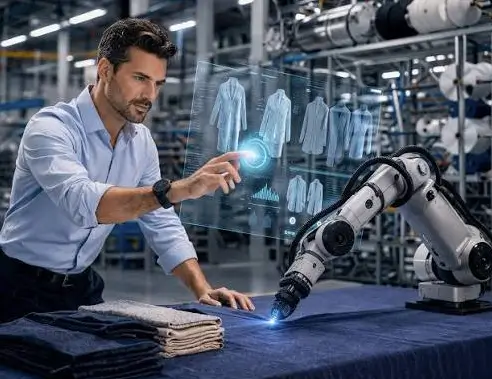
The shift from mechanical to computerized knitting machines represents one of the more significant technological transitions in modern textile manufacturing, fundamentally changing how manufacturers approach pattern development, production flexibility, and quality consistency. For facilities still operating largely mechanical equipment, understanding this shift helps clarify whether an upgrade makes sense for their specific production needs.
The Limitations of Mechanical Knitting Systems
Traditional mechanical knitting machines rely on physical cams, gears, and mechanical pattern mechanisms to control needle selection and fabric structure. While reliable for producing consistent, unchanging patterns, this approach makes changing designs a time-consuming process requiring physical reconfiguration of mechanical components, limiting production flexibility and increasing changeover time between different products.
What Computerization Changes
A computerized knitting machine replaces these physical pattern mechanisms with digital controls that select needle patterns based on programmed instructions, allowing manufacturers to switch between different designs simply by loading a new program rather than physically reconfiguring machine components. This dramatically reduces changeover time and enables far greater design complexity than mechanical systems can practically achieve.
Beyond pattern flexibility, computerized systems typically offer more precise control over tension, speed, and shaping during the knitting process, contributing to more consistent fabric quality across production runs and reducing the defect rates associated with manual mechanical adjustments.
Design Capability and Product Development
Computerized control has substantially expanded what’s practically achievable in flat knitting production, enabling complex jacquard patterns, intricate shaping for fully-fashioned garments, and rapid prototyping of new designs without the lengthy mechanical setup previously required. This capability has proven particularly valuable for fashion brands operating on shorter seasonal cycles that demand frequent design changes.
Integration With Design Software
Modern computerized knitting systems typically integrate with specialized garment design software, allowing designers to develop and simulate patterns digitally before committing to physical production. This integration reduces the sampling time and material waste historically associated with iterative pattern development on mechanical equipment.
Workforce Skill Requirements
Transitioning to computerized equipment does require different operator skill sets compared to mechanical machines, with greater emphasis on programming knowledge and digital troubleshooting rather than purely mechanical maintenance expertise. Manufacturers considering this transition should factor in training requirements and potentially adjusted staffing profiles as part of the overall investment consideration.
See also: Little Blue Gummies: A Tasty Revolution in Health Supplements
Evaluating the Investment Case
While computerized knitting machines typically carry a higher upfront cost compared to mechanical equivalents, the combination of reduced changeover time, expanded design capability, and improved quality consistency often justifies the investment for manufacturers producing varied product lines or operating in markets that demand frequent design refreshes.
Conclusion
Computerized knitting machines have fundamentally expanded the design and production flexibility available to textile manufacturers compared to traditional mechanical systems. For facilities weighing an equipment upgrade, the decision ultimately depends on how much value increased design flexibility and production efficiency would bring to their specific product mix and market positioning.
FAQs
Q1: How much faster are changeovers on computerized knitting machines compared to mechanical ones? Changeovers that might take hours of mechanical reconfiguration can often be completed in minutes by simply loading a new digital program.
Q2: Do computerized knitting machines require different operator training? Yes, operators typically need programming and digital troubleshooting skills in addition to traditional mechanical knowledge.
Q3: Is computerized knitting technology suitable for small production runs? Yes, the reduced changeover time makes computerized machines particularly well suited to smaller runs and frequent design changes compared to mechanical equipment.
