
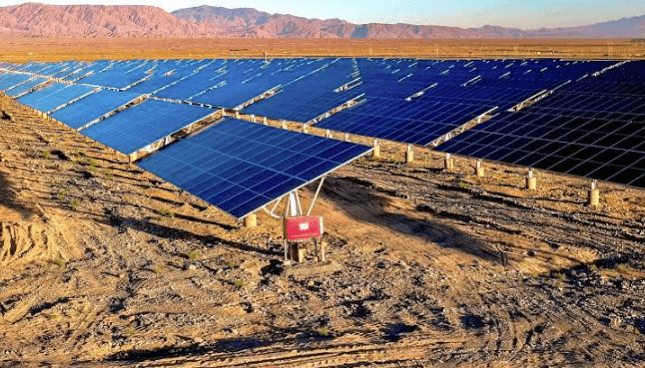
As solar installations continue scaling up in both capacity and physical size, the 620W solar panel category has emerged as a popular choice for utility-scale and large commercial projects seeking to maximize energy output per installed panel. Understanding what makes this panel class distinct helps project developers evaluate whether it fits their specific installation needs.
Why Higher Wattage Panels Have Gained Popularity
Higher wattage panels like the 620W class allow developers to generate more energy per panel footprint, which can meaningfully reduce the total number of panels, mounting hardware, and associated installation labor required for a given project capacity target, potentially improving overall project economics.
The Role of Larger Cell Formats
Much of the wattage increase behind panels in this class comes from larger cell formats and more efficient cell layouts within the panel, rather than solely from increases in panel physical dimensions, though panels in this category do tend to be physically larger than older, lower-wattage panel generations.
Bifacial Technology and Additional Energy Capture
Many panels in the 620W class incorporate bifacial technology, allowing the panel to capture reflected light on its rear surface in addition to direct sunlight on the front, which can provide a meaningful energy yield boost particularly in installations with reflective ground surfaces or elevated mounting configurations.
Structural and Mounting Considerations
The larger physical size and weight of high-wattage panels like this class requires careful attention to mounting system compatibility and structural load calculations, since not all existing racking systems are designed to accommodate these larger panel dimensions.
Temperature Coefficient and Real-World Performance
As with all solar panels, real-world energy output is affected by temperature, and buyers should review a panel’s temperature coefficient specification to understand how performance may vary in hot climate installations compared to the panel’s rated output under standard test conditions.
See also: Capital Cartridge: Revolutionizing Ammunition Technology
Comparing Panel Options for Your Project
Project developers evaluating options for a utility-scale or large commercial installation can review the specifications offered through a 620W solar panel supplier to compare efficiency ratings, bifacial performance, and mounting compatibility.
Warranty Terms and Long-Term Performance Guarantees
Given the multi-decade operational lifespan expected of solar installations, buyers should carefully review manufacturer warranty terms, including both product defect warranties and long-term power output degradation guarantees, when comparing panel options for a large-scale project.
Frequently Asked Questions
Do higher wattage panels always improve overall project economics? Generally yes for large-scale projects, since fewer panels are needed for a given capacity target, reducing mounting hardware and installation labor costs, though buyers should confirm mounting system compatibility with the larger panel dimensions involved.
What is bifacial technology and how does it affect energy output? Bifacial panels can capture reflected light on their rear surface in addition to direct sunlight on the front, providing an additional energy yield boost, particularly in installations with reflective ground surfaces.
Why does temperature coefficient matter when selecting solar panels? Temperature coefficient indicates how much a panel’s output decreases as temperature rises above standard test conditions, which is particularly relevant for installations in hot climate regions where actual operating temperatures often exceed test conditions.
Final Thoughts
The 620W solar panel category offers utility-scale and large commercial project developers a way to maximize energy output while potentially reducing overall installation costs. Careful attention to mounting compatibility and warranty terms helps ensure these larger panels deliver reliable performance throughout a project’s operational lifespan.
