
Compile Number Registry Reports for 3509729016, 3248424360, 3518780997, 3473084499, 3342571377

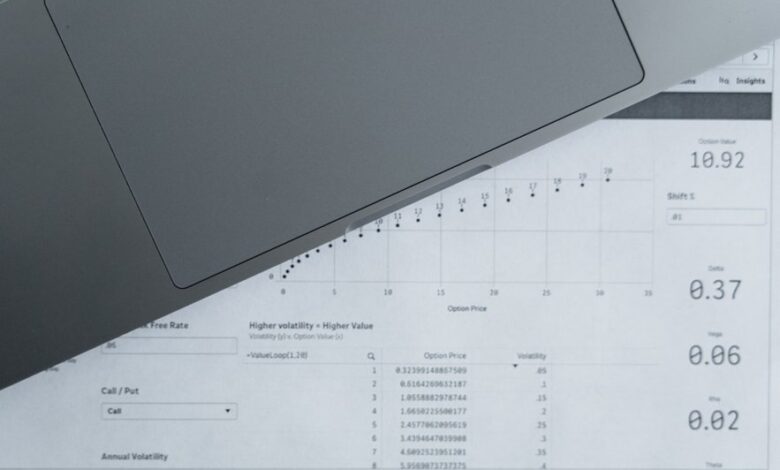
The Compile Number Registry Reports for IDs 3509729016, 3248424360, 3518780997, 3473084499, and 3342571377 present a structured view of historical and current compile activity. The metrics cover frequency, timing, provenance, and source identifiers with emphasis on data integrity and regulatory alignment. Patterns and deviations are identified to highlight consistency, gaps, and risk signals. The discussion sets up procedures for audits and governance, inviting further examination of cross-ID convergence and divergence.
What Compile Number Registry Reports Reveal About Each ID
Compile Number Registry Reports for the five IDs provide a structured overview of each ID’s historical and current compile activity. The analysis presents distinct patterns in compile number usage and registry reports, highlighting frequency, consistency, and notable deviations. Each ID exhibits unique timing signatures, enabling comparison across cohorts. Findings emphasize data provenance, integrity indicators, and regulatory alignment without extraneous interpretation.
How the Registry Entries Are Compiled and Verified
Data for each registry entry is assembled through a standardized workflow that aggregates compile numbers, timestamps, and source identifiers from validated endpoints. The process lists inputs, applies validation checks, and records provenance to ensure traceability. Verification emphasizes data integrity, cross-referencing with independent logs, and anomaly detection. Compliance gaps are identified, documented, and resolved to preserve auditable, transparent registry accuracy.
Interpreting Patterns, Discrepancies, and Compliance Gaps
Patterns in the compiled registry data reveal where numbers converge across endpoints and where they diverge, highlighting both routine variances and potential anomalies. The analysis identifies patterns, outliers, and month-to-month shifts, informing interpretation of discrepancies and compliance gaps. Discussion ideas emerge for assessing data integrity, normalization, and cross-checks, while maintaining rigorous, transparent data governance suitable for audiences seeking freedom.
Practical Steps to Audits and Data Integrity for the Five IDs
To advance the five IDs into verifiable compliance, the procedure outlines concrete, repeatable steps for audits and data integrity. Audits establish audit trails, verifying timestamps, changes, and access. Data lineage maps source to registry outputs, ensuring traceability. Trust assessment evaluates reliability, while risk mitigation prioritizes controls, remediation, and ongoing monitoring to sustain integrity across all five IDs.
Conclusion
The five IDs exhibit a methodical, data-driven portrait of compile activity, with consistent cadence in most cohorts and occasional deviations aligned to source provenance. As a mosaic of timestamps, sources, and integrity indicators, the registry supports auditable governance and regulatory alignment, while exposing narrow gaps warranting targeted verification. In sum, patterns converge on reliable provenance yet diverge logistically where data latency or source variance occur, underscoring disciplined reconciliations and rigorous risk assessment.