
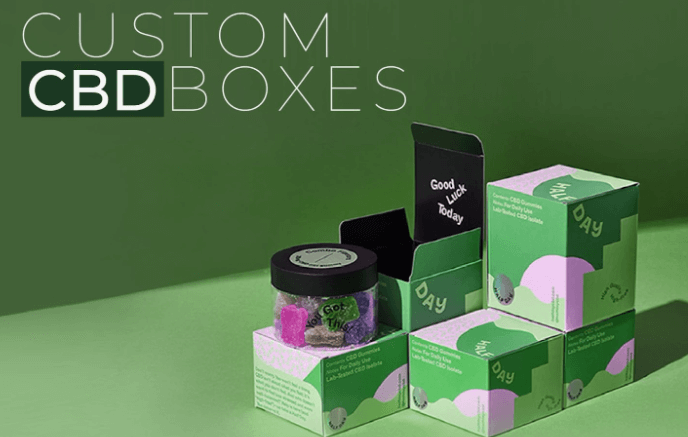
In the rapidly growing CBD (cannabis) industry, sustainable packaging solutions are gaining traction among eco-conscious consumers. As CBD products are sensitive, they need to be packaged very carefully. Custom CBD boxes are a perfect solution for CBD products and businesses. These boxes are made as per your requirements. You can get them made in eco-friendly packaging and print the necessary branding materials. Moreover, these boxes are perfect for shipping purposes and do not have a carbon footprint.
In this article, we will explore the benefits of using custom-made CBD boxes for sustainable brands and how they can help foster a greener future.
The Need for Custom CBD Boxes for Your Brand
Non-recyclable and conventional packaging materials pose a significant threat to the environment. They contribute to the pollution of the earth and cause harm to ecosystems.
As people become more aware of climate change, they seek products that align with their values. Sustainable packaging is the main factor that influences the buying behavior of consumers these days. So, it is important for CBD brands to adopt eco-friendly custom CBD boxes to attract eco-conscious customers to their products.
Let us guide you on how you can design custom cbd packaging boxes to make your brand everyone’s first choice.
- Be Careful with the Quality of Materials
You can use eco-friendly materials to craft custom CBD boxes to meet sustainability goals. The materials that you use for your product’s packaging should not only be protective but also appealing. The usual materials that packaging companies employ to make CBD packaging are:
- Eco-friendly Kraft Paper
- Rigid Material
- Cardboard Material
- Cardstock Material
These materials are renewable, recyclable, and compostable, making them a greener alternative to conventional packaging materials. You can add dividers, inserts, and packaging foams along with these materials to enhance protection.
But the crucial point you should keep in mind is how much these packaging materials cost. For instance, rigid is an expensive packaging material that provides a sleek and luxurious touch to your products.
- Design Packaging as Per Product Requirements
If you design the cbd packaging smartly and innovatively, it can serve as a major opportunity for branding your products. Do not just choose the first box you see to package your products. Take a deep look at the size and dimensions of our product and what packaging box will be the best fit for it.
You can personalize custom cannabis packaging boxes in any shape, size, style, or dimension. In addition, these boxes give you the edge to incorporate your brand’s logo, tagline, slogan, personalized messages, and other branding materials. These features will create a memorable unboxing experience for customers and enhance brand recognition in the market.
- Colors and Consumer Behaviors
Choosing the ideal color for their brand is something that many marketers are aware of. According to many psychological studies, colors have a big influence on humans’ brains and their decision-making. So, go for colors that are vibrant and playful for your CBD boxes. Choose colors like violet, green, red, turquoise, and white for your CBD packaging. Use printing inks that are eco-friendly and biodegradable.
If you are not sure what color will match your brand’s personality, you can seek help from a packaging supplier.
- Bring Comfort to Customers
That is essential. You can only make customers loyal to your brand if they are happy with your products. Make custom CBD boxes that bring comfort to your buyers. You can do that by incorporating the following information on your custom cbd packaging boxes:
- Product Ingredients:
Print the names of the ingredients that were used to make the product. It will make your product look more genuine and authentic. Besides this, it is also helpful for the buyer to find out what CBD product is best for their needs.
- Print Brand Name:
The most important piece of information to print on product boxes to increase brand recognition is the brand name. It will make your brand recognizable in a crowded market.
- CBD Product Identity:
It displays the use of the item and demonstrates its main purpose. You can print this information just below your brand name on the custom CBD boxes.
- General Product Details:
The custom CBD packaging boxes can be customized to include general product information like the expiration date, batch code, and manufacturing date.
- Quantity of Contents:
You can add details about the weight of the product and packaging container separately. For liquid CBD products like serums, the information should be mentioned in volume.
- Warnings and Cautions:
It is advantageous to add product use, caution, and warnings for toddlers and people with any serious illness.
- Promotional Offers:
Discounts attract buyers to purchase things at lower prices. To increase sales, you can print promotional and discount offers on custom CBD boxes.
Brand Recognition and Product Visibility
Always provide your customers with a memorable unboxing experience, that will lead to brand loyalty. Customized packaging will allow you to showcase your product and brand in an elegant way. You can go for window-cut or die-cut custom CBD boxes that allow customers to sneak a peek inside the product without even opening it. These features will make your CBD products distinctive and superior in the retail market. In addition, you can also use different packaging box shapes like cylindrical, hexagonal, and oval to grab attention.
To Sum Up!
Sustainable packaging options have become crucial for brands as the CBD industry continues to grow. Brands can meet consumer expectations by using custom CBD boxes, which are useful and environmentally friendly packaging options. CBD brands can attract customers who care about the environment and help create a greener future by embracing these sustainable practices.
Furthermore, to implement sustainable packaging practices, CBD brands can partner with wholesale cbd boxes suppliers. OXO Packaging is one of the best packaging suppliers that offers a variety of options for custom CBD boxes and provides advice on choosing environmentally friendly materials and layouts.
